
Hello, I'm Gani Prayoga.
I am a Digital Product Designer committed to creating innovative digital solutions to fulfil the needs of society. As part of the Dedicated Team of MPP Digital based on the Ministerial Decree at KemenPANRB, I integrate user-centered and iterative design approaches to produce optimal service experiences.
Project Background
MPP Digital is a strategic initiative led by the Ministry of PANRB aimed at transforming public service delivery through digitalization. In response to evolving community needs, this project was established with the primary objective of identifying a new, impactful service to be developed on the MPP Digital platform. The goal of this discovery process is to determine a service that, once implemented, will significantly enhance the quality and accessibility of public services.
My Role & Responsibilities
In this project, I served as both a UX Designer and Project Management Officer, responsible for guiding the discovery process and ensuring the feasibility of the proposed service. My role encompassed:
- Insights Extractions: Partnering with key stakeholders, including the PANRB team, to understand the strategic vision and long-term roadmap of MPP Digital.
- Data-Driven Analysis: Conducting comprehensive qualitative and quantitative research (including in-depth interviews and Focus Group Discussions with local government represetative) to uncover latent community needs service gaps.
- Service Determination: Analyzing research findings to identify potential services that align with both strategic objectives and user needs, setting the stage for the development of a new service.
- Project Coordination & Communication: Acting as the central coordinator by facilitating cross-functional workshops and meetings among designers, analysts, and decision-makers, ensuring that the discovery process was conducted in a structured and transparent manner.
- Performance Management: Integrating project management best practices by defining clear milestones and OKRs, tracking progress throughout the discovery phase, and promptly addressing any challenges to maintain project alignment.
Work Process & Methodology
The approach I have employed in this project is based on the principles of design thinking and thorough research. The stages of the methodology established are as follows:
| Step 1 Qualitative Research |
Step 2 Quantitative Research |
Step 3 Site Visit |
|---|---|---|
| METHOD Stakeholder Interview |
METHOD Scrutinising the data inventory according to the criteria of qualitative research. |
METHOD Focus Group Discussion |
| OBJECTIVE Identifying criteria for prioritising MPP Digital Service |
OBJECTIVE Identifying potential related services using available data. |
OBJECTIVE Collaborating with Local Government to validating potential digital services. |
Each stage has been meticulously designed with specific objectives aligned to the steps undertaken. The primary aim is to ensure that the proposed service solutions genuinely address the needs of the community and can be seamlessly integrated into the MPP Digital Application.
Team Collaboration
Collaboration played a pivotal role in ensuring the success of this project, involving diverse stakeholders and multidisciplinary teams. Key aspects of the collaboration included:
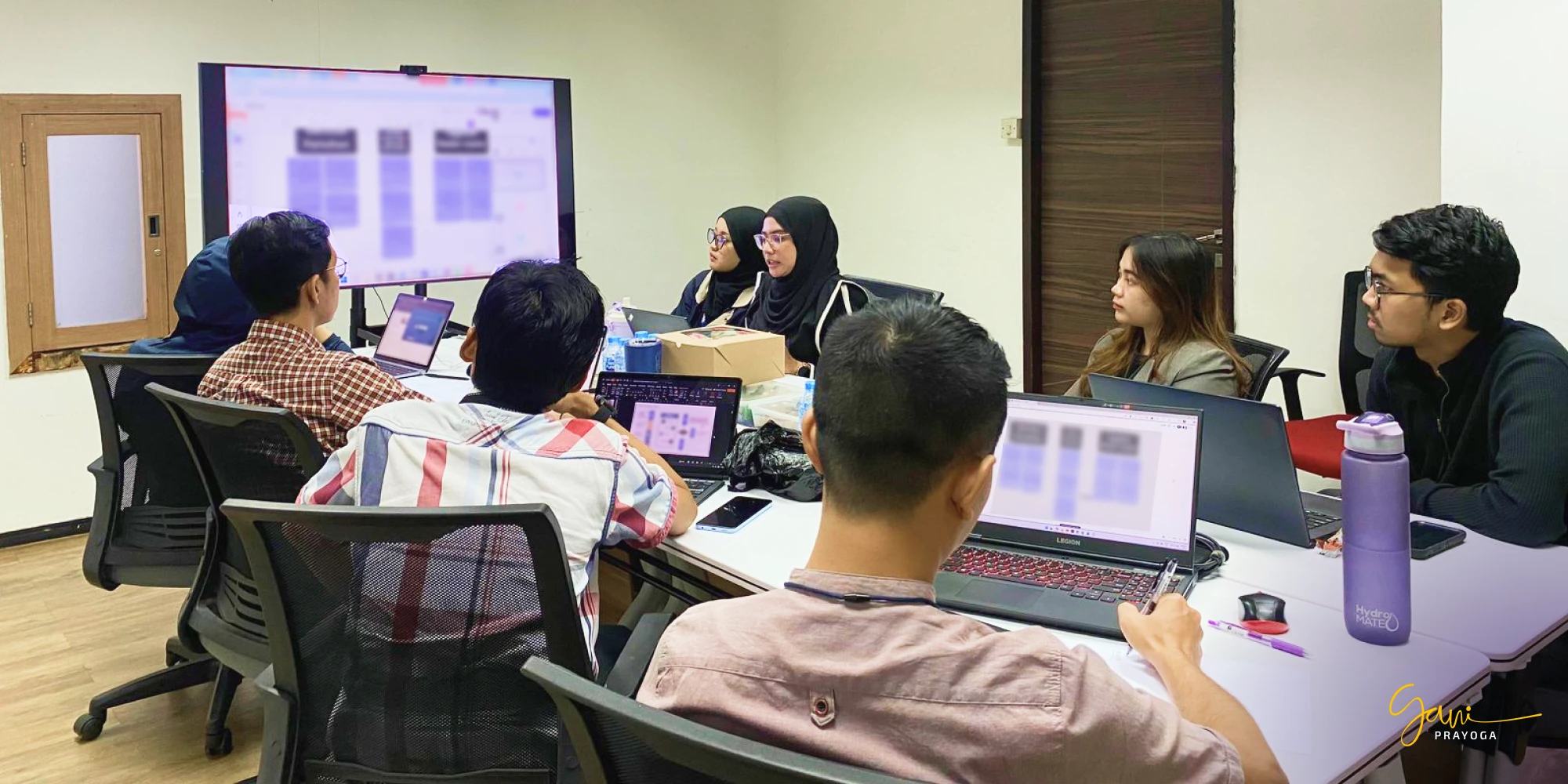
1. Strategic Insight Gathering Engaging with the PANRB team to capture the overarching vision for MPP Digital and establish the criteria for a new service.
2. Comprehensive Research Utilizing interviews, surveys, and FGDs with local government representatives to identify unmet needs and potential opportunities for enhancing public service.
3. Analytical Synthesis Collaborating with data analysts to distill findings into actionable insights, ultimately narrowing down the focus to a set of promising service ideas.
4. Iterative Refinement Incorporating stakeholder feedback in iterative cycles, ensuring that the proposed service concept remained aligned with both user expectations and strategic imperatives.
5. Alignment & Validation Establishing measurable OKRs at the outset of the campaign to validate progress, ensure cross-functional alignment, and confirm that the selected service would drive quality improvements in public service delivery.
Outcomes
The outcome of this discovery process was a well-defined, data-backed service proposal that not only addressed a clear need within the community but also promised to elevate the overall quality of public services through digital innovation. By integrating user experience research with rigorous project management, the initiative laid a solid foundation for the eventual development of the new service, ensuring both strategic alignment and operational feasibility.